
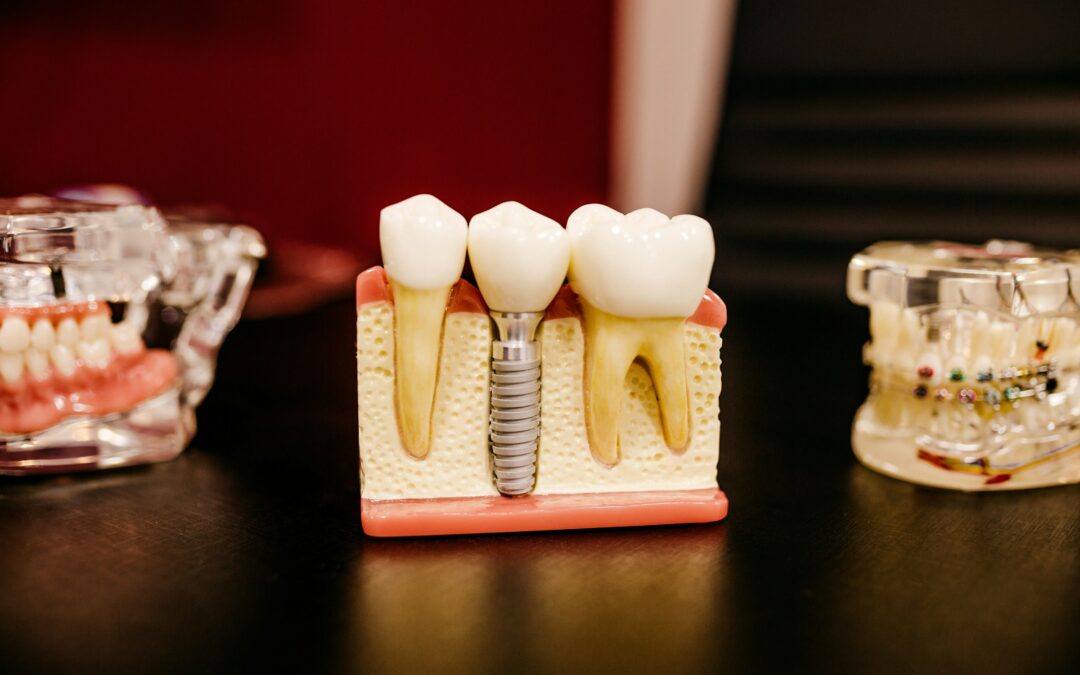
Gum recession around a dental implant can change the appearance of a smile, but it is not always limited to a cosmetic concern. When gum tissue moves away from an implant restoration, it may expose more of the crown or abutment and create an uneven gumline. In some cases, the change may remain stable and primarily affect appearance. In others, recession can be associated with inflammation, inadequate soft tissue, plaque accumulation, or changes affecting the supporting structures around the implant.
At Bosque Farms Family Dentistry, we evaluate the gums, implant restoration, surrounding tissues, and overall oral health when concerns arise. Our goal is to identify the reason for a changing gumline and determine whether monitoring, improved dental implant maintenance, periodontal care, restoration adjustment, or another treatment approach is appropriate.
What is Gum Recession Around a Dental Implant?
A gum recession around a dental implant occurs when the gum tissue surrounding an implant restoration moves away from its previous position. The change can make the implant crown appear longer, expose part of the abutment or restoration, or create an uneven transition between the artificial tooth and surrounding natural teeth.
Healthy gum tissue provides an important protective barrier around the structures supporting an implant. The appearance and thickness of this tissue can vary considerably from person to person. Some patients naturally have thinner soft tissue, while others have a thicker gum profile that provides greater visual coverage around an implant restoration. Proper dental implant maintenance and appropriate dental implant treatments can help address concerns related to the health and appearance of the tissues surrounding an implant.
A change in gum position does not automatically mean that an implant is failing. However, clinicians should assess clinically significant recession because its cause can range from minor tissue changes to inflammation or periodontal problems. Depending on the underlying cause, treatment may include improved oral hygiene, periodontal care, gum recession treatment, gum grafting, or adjustments to the dental implant restoration.
What Does Gum Recession Around an Implant Look Like?
Common visible changes may include:
- Exposed implant restoration or abutment: More of the restoration may become visible near the gumline.
- Uneven gumline: The implant area may no longer follow the same contour as neighboring teeth.
- Longer-looking crown: Recession can make an implant crown appear longer than it originally did.
- Visible discoloration or shadow: A darker area may become noticeable where the restoration meets the gum tissue.
- Changes in gum thickness: Tissue may appear thinner or less full around the implant.
These changes can be subtle at first. Comparing current photographs or dental examinations with previous records can help identify whether the gumline has remained stable or is progressively changing.
Is Gum Recession Around an Implant Only a Cosmetic Problem?
A gum recession around a dental implant occurs when the gum tissue surrounding an implant restoration moves away from its previous position. The change can make the implant crown appear longer, expose part of the abutment or restoration, or create an uneven transition between the artificial tooth and surrounding natural teeth. From a cosmetic dentistry perspective, these changes can affect the overall symmetry and appearance of the smile.
Healthy gum tissue provides an important protective barrier around the structures supporting an implant. The appearance and thickness of this tissue can vary considerably from person to person. Some patients naturally have thinner soft tissue, while others have a thicker gum profile that provides greater visual coverage around an implant restoration.
A change in gum position does not automatically mean that an implant is failing. However, clinicians should assess clinically significant recession because its cause can range from minor tissue changes to inflammation or periodontal problems. A dental implant dentist can evaluate the gum tissue, restoration, and surrounding structures to determine whether the concern is primarily cosmetic or requires further dental treatment.
When It May Be Mainly Cosmetic
Recession may be primarily an appearance-related concern when there is:
- Mild gumline change
- Stable soft tissue
- No persistent bleeding
- No swelling or significant inflammation
- No pain or tenderness
- No signs of infection
- No evidence of supporting bone loss
- A stable implant and restoration
Even when the concern is cosmetic, monitoring is useful because a changing gumline can become more noticeable over time.
Interesting Read: How Cosmetic Dentistry Can Make You Look Younger
When It May Be a Dental Concern
Professional assessment becomes particularly important when recession occurs with:
- Bleeding or swollen gums
- Persistent inflammation
- Pain or tenderness
- Increasing sensitivity
- Unusual discharge
- Persistent bad taste or odor
- Implant mobility
- Changes in the surrounding bone
- Signs of infection or peri-implant disease
An implant that feels loose should receive prompt professional attention because implant mobility is different from normal movement of a natural tooth.
What Causes Gum Recession Around a Dental Implant?
Several factors can contribute to changes in the soft tissue around an implant. Identifying the contributing factors helps guide appropriate gum recession treatment.
1. Insufficient Gum Tissue
Some implant sites have limited soft tissue thickness from the beginning. Thin tissue can make the gumline more susceptible to visible changes and may provide less soft tissue volume around the restoration.
Soft tissue thickness is particularly important in areas where appearance matters. A thin tissue profile can allow the contour or underlying restoration to become more noticeable as the gumline changes.
2. Improper Oral Hygiene
Plaque accumulation can contribute to inflammation around an implant. Inadequate brushing and interdental cleaning may allow bacteria to remain around the restoration and gumline.
Consistent dental implant maintenance helps reduce plaque accumulation and supports the health of the tissues surrounding an implant. Cleaning techniques should be appropriate for the individual’s restoration and gum condition.
3. Gum Disease or Peri-Implant Inflammation
Inflammation around an implant can affect the surrounding soft tissues and, in more advanced situations, may be associated with changes in supporting bone.
Patients with a history of periodontal problems may require particularly careful monitoring. Appropriate gum disease treatment and periodontal treatment can help address inflammation and protect oral health around natural teeth and implants.
4. Implant Position or Restoration Design
The position of an implant and the shape of the restoration can influence the appearance of the surrounding gumline. The emergence profile, crown contour, implant position, and available soft tissue all contribute to the final appearance.
If the restoration is difficult to clean or does not provide an appropriate contour, plaque accumulation or tissue irritation may become more likely.
5. Excessive Brushing or Gum Trauma
Aggressive brushing can irritate gum tissue. Using excessive pressure or a hard-bristled toothbrush may contribute to soft tissue trauma, particularly when the tissue is already thin.
A soft-bristled toothbrush and gentle technique can help reduce unnecessary irritation around an implant.
6. Natural Changes in Gum Tissue
Gum tissue can change with age, healing, and individual variations in soft tissue volume. The tissue surrounding an implant may not remain visually identical throughout a person’s lifetime.
These natural changes do not necessarily indicate implant disease, but noticeable or progressive changes should still be evaluated.
Can Gum Recession Happen After a Dental Implant?
Yes, gum recession after dental implant placement can occur. The appearance of the gumline may change during healing, and the final tissue contour can take time to establish.
It is important to distinguish expected healing changes from progressive recession. A gumline that continues to move, becomes increasingly asymmetrical, or develops inflammation deserves professional evaluation.
Follow-up appointments allow us to examine the soft tissue, assess implant stability, evaluate the restoration, and monitor the supporting bone. Regular appointments also provide an opportunity to identify changes before they become more difficult to manage.
What Are the Signs of Dental Implant Gum Recession?
Possible signs include:
- Receding gums around dental implant
- Visible implant or abutment area
- Longer-looking implant crown
- Gum sensitivity
- Redness or swelling
- Bleeding during brushing
- Persistent bad taste or odor
- Changes in gum symmetry
- Pain or discomfort around the implant
- Changes in implant stability
Not every symptom indicates recession, and not every case of recession produces symptoms. A clinical examination is needed to determine what is happening around the implant.
How is Gum Recession Around an Implant Diagnosed?
A thorough evaluation considers both appearance and underlying oral health.
1. Visual Examination
We examine the position of the gumline, tissue thickness, inflammation, and overall contour of the implant restoration. The appearance of neighboring teeth can also provide useful information when evaluating symmetry.
2. Periodontal Evaluation
A periodontal assessment can evaluate gum tissue health and identify signs of inflammation or other periodontal concerns. Measurements around the implant may help determine whether the tissues are healthy and stable.
3. Dental X-Rays or Imaging
Dental imaging can provide information about the bone surrounding the implant. Depending on the circumstances, imaging may help evaluate bone levels, implant positioning, and possible structural changes.
4. Implant and Restoration Evaluation
We also evaluate the crown, abutment, bite, and surrounding structures. A restoration that has changed, does not fit appropriately, or creates cleaning difficulties may need adjustment.
A dental implant consultation can help determine whether the concern is primarily cosmetic or associated with a broader dental issue. Depending on the findings, a dental implant specialist or periodontist may also be involved when specialized care is appropriate.
Treatment Options for Gum Recession Around an Implant
Treatment depends on the cause, severity, tissue condition, implant stability, and appearance of the restoration.
1. Improved Dental Implant Maintenance
Professional cleanings, appropriate home care, interdental cleaning, and regular implant examinations are important components of dental implant maintenance.
Improving daily cleaning may be sufficient when plaque accumulation and mild inflammation contribute to the problem.
2. Gum Recession Treatment
Gum recession treatment begins with identifying and addressing contributing factors. If inflammation, traumatic brushing, or inadequate cleaning is involved, those issues should generally be managed as part of the overall treatment plan.
3. Gum Grafting
Gum grafting may be considered in selected cases where additional soft tissue is needed. The objective may include improving tissue thickness, increasing soft tissue coverage, or improving the contour around an implant.
Not every patient requires grafting, and the appropriate technique depends on the individual anatomy and cause of recession.
4. Gum Graft Surgery
Gum graft surgery may be considered when recession or inadequate soft tissue cannot be appropriately managed with preventive measures alone. Surgical treatment is planned according to the amount of tissue available, implant position, restoration design, and periodontal condition.
An individualized evaluation is important because treatment around an implant differs from treatment around a natural tooth.
5. Treatment for Gum Disease or Inflammation
If bacterial buildup or inflammation is contributing to the condition, periodontal treatment may be necessary. Managing inflammation can help protect the tissues surrounding the implant and reduce factors that may contribute to continued tissue changes.
6. Dental Implant Restoration
In some cases, the implant itself may be stable while the restoration requires modification. The crown or abutment may need to be adjusted or replaced if its shape, fit, or contour contributes to cleaning problems or an undesirable appearance.
Interesting Read: What Is Bone Grafting and Why Is It Needed Before Dental Implants?
Can Gum Recession Around an Implant Be Prevented?
Although recession cannot always be completely prevented, several habits can support healthier implant tissues:
- Maintain consistent oral hygiene.
- Use a soft-bristled toothbrush.
- Avoid aggressive brushing.
- Follow professional implant-care instructions.
- Attend routine dental examinations.
- Treat gum disease promptly.
- Maintain regular professional cleanings.
- Report bleeding, swelling, or discomfort early.
- Follow post-treatment instructions after implant placement.
Consistent care is particularly important because problems around an implant may initially produce few noticeable symptoms.
When Should You See a Dentist About Gum Recession Around an Implant?
A professional assessment is recommended when the gumline continues to change or when other symptoms develop. Contact a Bosque Farms dentist if:
- Recession is becoming more noticeable
- The implant area is bleeding
- Gum tissue is swollen or tender
- Pus or unusual discharge is present
- The implant restoration feels loose
- Bad breath or a bad taste persists
- The appearance of the implant has noticeably changed
- You are concerned about implant stability
Early evaluation can help determine whether the issue involves soft tissue, inflammation, the restoration, or the supporting structures.
How Bosque Farms Family Dentistry Can Help With Implant and Gum Concerns
At Bosque Farms Family Dentistry, we take a comprehensive approach to evaluating concerns involving implants and surrounding gum tissue. We assess the appearance and health of the gums while also considering the implant restoration, oral hygiene, periodontal condition, and supporting structures.
A dental implant consultation provides an opportunity to discuss changes in the gumline, discomfort, bleeding, restoration concerns, or questions about long-term implant care. We can also provide preventive dental implant maintenance to help monitor the condition of the implant and surrounding tissues.
When recession is associated with periodontal concerns, we evaluate the gums and determine whether additional periodontal care is appropriate. When specialized periodontal treatment is indicated, referral or collaboration with a periodontist may be recommended.
Our approach to implant dentistry in Bosque Farms focuses on maintaining both function and the health of the tissues surrounding an implant. Patients seeking dental implants at Bosque Farms can benefit from ongoing professional evaluation rather than waiting until a minor change becomes a more significant concern.
Protect Your Implant and Gum Health With Professional Care
Changes around a dental implant should not be ignored, particularly when recession is progressing or accompanied by bleeding, swelling, discomfort, bad taste, or changes in stability. Early evaluation can help identify the underlying cause and determine appropriate treatment options.
At Bosque Farms Family Dentistry, we provide personalized evaluation and ongoing care for patients concerned about their gums, implant restorations, and overall oral health. Contact our office for a dental implant consultation and let us assess the condition of your gum tissue and implant.
If you are searching for a dentist office near me in Bosque Farms, a professional evaluation can provide the information needed to protect your investment and maintain a healthy, natural-looking smile.
Frequently Asked Questions About Gum Recession Around an Implant
Is gum recession around a dental implant normal?
Minor changes in gum appearance can occur after implant treatment, but progressive recession should not automatically be considered normal. We recommend evaluation when the gumline continues to move, becomes asymmetrical, or is accompanied by bleeding, swelling, pain, or other changes.
Why are my gums receding around my dental implant?
Possible causes include thin soft tissue, plaque accumulation, inflammation, periodontal disease, aggressive brushing, implant positioning, restoration design, and natural changes in gum tissue. An examination is needed to determine the specific cause.
Can gum recession after a dental implant be treated?
Yes. Treatment depends on the cause and severity. Options may include improved implant maintenance, periodontal care, changes to brushing habits, restoration modification, or soft tissue procedures such as gum grafting.
Can gum recession around an implant cause implant failure?
Gum recession itself does not automatically mean an implant will fail. However, recession accompanied by inflammation, infection, supporting bone loss, or implant mobility requires prompt professional assessment because these findings can affect implant health.
Can gum grafting fix receding gums around a dental implant?
Gum grafting may improve soft tissue coverage or thickness in selected cases. Whether it is appropriate depends on the implant position, amount of recession, tissue condition, restoration design, and overall oral health.
How can I prevent gum recession around my implant?
Use a soft-bristled toothbrush, clean carefully around the restoration, avoid aggressive brushing, attend professional cleanings, follow implant-care instructions, and seek treatment for gum inflammation or disease promptly.
Should I see a periodontist for gum recession around an implant?
A periodontist may be appropriate when recession is associated with significant soft tissue concerns, periodontal disease, inflammation, or bone changes. Your dentist can evaluate the condition and determine whether specialized periodontal care is needed.
How often should dental implants be professionally checked?
The appropriate schedule depends on your oral health, implant history, periodontal condition, restoration, and risk factors. Regular examinations allow us to monitor the implant, gum tissue, restoration, and supporting structures.
Can gum disease affect a dental implant?
Yes. Inflammation and periodontal problems can affect the tissues around an implant. Maintaining good oral hygiene and addressing gum disease promptly are important parts of long-term implant care.
Does dental implant restoration need to be replaced if gums recede?
Not always. If the implant and restoration remain healthy and functional, replacement may not be necessary. However, restoration modification or replacement may be considered when the crown’s shape, fit, or appearance contributes to the problem.


