
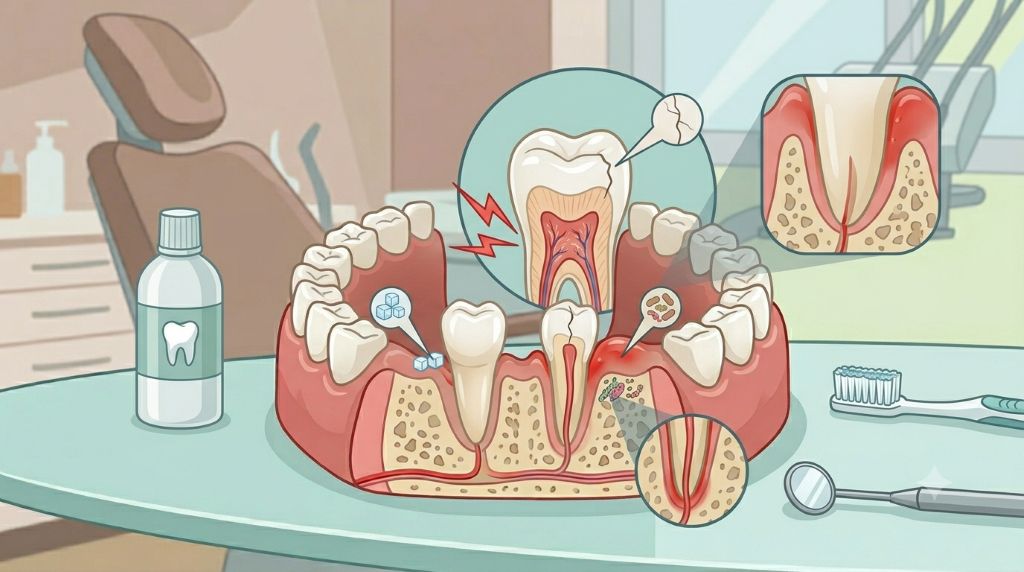
Tooth pain is often associated with cavities, but many patients experience discomfort even when no visible decay is present. If you are dealing with tooth pain without a cavity, it is important to understand that several underlying dental and oral health conditions can cause similar symptoms. At Bosque Farms Family Dentistry, we frequently help patients identify the real causes of tooth pain and provide effective solutions that restore comfort and protect long-term oral health.
Understanding Tooth Pain Without a Cavity
Experiencing tooth pain without a cavity can be confusing and frustrating. While cavities are among the most common dental problems, they are far from the only reason a tooth may hurt. Pain can originate from the gums, tooth roots, nerves, jaw joints, or even neighboring teeth.
The severity of discomfort may range from occasional sensitivity to persistent throbbing pain. Identifying the underlying condition is the first step toward successful tooth pain treatment and long-lasting relief.
Common Causes of Tooth Pain Without a Cavity
Many oral health conditions can trigger discomfort despite the absence of tooth decay. Understanding these causes of tooth pain helps patients seek timely care and avoid worsening symptoms.
Tooth Sensitivity
One of the leading Why Does My Tooth Hurt Even Though I Don’t Have a Cavity?
Tooth pain is often associated with cavities, but many patients experience discomfort even when no visible decay is present. If you are dealing with tooth pain without a cavity, it is important to understand that several underlying dental and oral health conditions can cause similar symptoms. At Bosque Farms Family Dentistry, we frequently help patients identify the real causes of tooth pain and provide effective solutions that restore comfort and protect long-term oral health.
Understanding Tooth Pain Without a Cavity
Experiencing tooth pain without a cavity can be confusing and frustrating. While cavities are among the most common dental problems, they are far from the only reason a tooth may hurt. Pain can originate from the gums, tooth roots, nerves, jaw joints, or even neighboring teeth.
The severity of discomfort may range from occasional sensitivity to persistent throbbing pain. Identifying the underlying condition is the first step toward successful tooth pain treatment and long-lasting relief. If symptoms become severe, sudden, or interfere with daily activities, seeking prompt care from an emergency dentist in Bosque Farms can help diagnose the cause quickly and prevent potential complications.
Common Causes of Tooth Pain Without a Cavity
Many oral health conditions can trigger discomfort despite the absence of tooth decay. Understanding these causes of tooth pain helps patients seek timely care and avoid worsening symptoms.
1. Tooth Sensitivity
One of the leading causes of tooth pain is tooth sensitivity. When the protective enamel layer becomes worn or damaged, the underlying dentin becomes exposed. This allows hot, cold, sweet, or acidic substances to stimulate nerve endings inside the tooth.
Common causes of sensitive tooth pain include:
- Aggressive brushing
- Acidic foods and beverages
- Teeth grinding
- Receding gums
- Enamel erosion
Patients often describe sensitive tooth pain as a sudden, sharp sensation that occurs during eating or drinking.
2. Gum Recession
As gums recede, tooth roots become exposed. Unlike enamel-covered crowns, roots lack strong protective coverage and are highly vulnerable to temperature changes and external stimuli.
Gum recession can contribute significantly to tooth sensitivity and may indicate underlying gum disease that requires professional evaluation.
3. Gum Disease
Gingivitis and periodontitis are serious oral health conditions that affect the supporting structures around the teeth. Inflamed gums can create discomfort that patients often mistake for tooth pain.
Symptoms may include:
- Red or swollen gums
- Bleeding during brushing
- Persistent bad breath
- Gum tenderness
- Loose teeth
Prompt gum disease treatment helps eliminate infection, reduce inflammation, and protect both gums and teeth from long-term damage.
4. Gum Infection
A localized infection in the gums can create pressure and discomfort around nearby teeth. In many cases, patients assume the tooth itself is the problem when the source is actually infected gum tissue.
Professional gum infection treatment may involve deep cleaning, medication, or other therapies designed to remove harmful bacteria and promote healing.
5. Cracked Tooth Syndrome
Tiny cracks in a tooth may not always be visible during routine examinations. These fractures can cause pain when chewing or biting because pressure affects the inner structures of the tooth.
Symptoms often include:
- Intermittent pain
- Sensitivity to temperature
- Pain while chewing
- Discomfort that comes and goes
Early diagnosis helps prevent cracks from expanding and causing more serious complications.
6. Teeth Grinding and Clenching
Bruxism, commonly known as teeth grinding, places excessive pressure on teeth and surrounding tissues. Many people grind their teeth during sleep without realizing it.
Over time, grinding can lead to:
- Tooth soreness
- Enamel wear
- Jaw discomfort
- Headaches
- Increased tooth sensitivity
When grinding contributes to discomfort, customized treatment plans can protect teeth and relieve symptoms.
7. Sinus Pressure
Upper back teeth share nerve pathways with the sinus cavities. During sinus infections or seasonal allergies, increased sinus pressure can create pain that feels like a dental problem.
This type of discomfort is commonly mistaken for a cavity despite the absence of tooth decay.
Can Tooth Nerve Problems Cause Pain Without Decay?
Yes. The dental pulp contains blood vessels and nerves that can become inflamed even when no cavity exists. Trauma, cracks, repeated dental procedures, or severe grinding may irritate the nerve tissue inside a tooth.
When nerve inflammation becomes severe, root canal treatment may be recommended to remove infected tissue and preserve the natural tooth.
Signs of nerve-related problems may include:
- Persistent throbbing pain
- Lingering sensitivity
- Pain when biting
- Swelling around the tooth
Professional evaluation helps determine whether root canal treatment is necessary.
Wisdom Teeth Can Cause Unexpected Tooth Pain
Many adults experience discomfort due to impacted or partially erupted wisdom teeth. These teeth often develop in areas with limited space, creating pressure on neighboring teeth and gums.
Symptoms associated with wisdom teeth include:
- Jaw soreness
- Swollen gums
- Difficulty chewing
- Tooth crowding
- Headaches
In many cases, wisdom teeth removal is the most effective solution for preventing ongoing discomfort and future complications.
The Connection Between Jaw Problems and Tooth Pain
Not all dental discomfort originates within the teeth. Disorders affecting the jaw joint can create symptoms that mimic toothaches.
Patients experiencing temporomandibular joint disorders may benefit from jaw pain treatment when symptoms include:
- Facial soreness
- Jaw clicking
- Difficulty opening the mouth
- Ear pain
- Tooth discomfort without visible dental disease
Comprehensive diagnosis helps distinguish jaw-related conditions from actual tooth problems.
Orthodontic Issues and Tooth Discomfort
Misaligned teeth can create uneven bite pressure that leads to soreness and sensitivity. Crowding, spacing problems, and bite irregularities may contribute to ongoing discomfort.
In some situations, orthodontic treatment improves alignment, reduces pressure on specific teeth, and enhances overall oral health.
Addressing bite problems early can prevent excessive wear and reduce future dental complications.
When Should You Seek Professional Tooth Pain Treatment?
While occasional sensitivity may not indicate a serious problem, persistent discomfort should never be ignored.
Schedule a dental evaluation if you experience:
- Pain lasting more than a few days
- Swelling around the gums
- Difficulty chewing
- Persistent sensitivity
- Jaw discomfort
- Tooth pain without an obvious cause
Professional examination allows us to identify the exact source of discomfort and recommend the most effective tooth pain treatment.
How We Diagnose the Causes of Tooth Pain
At Bosque Farms Family Dentistry, we use a comprehensive approach to identify the underlying causes of tooth pain.
Diagnostic methods may include:
- Digital dental examinations
- Diagnostic imaging
- Bite analysis
- Gum health evaluations
- Sensitivity testing
Accurate diagnosis ensures patients receive targeted treatment rather than temporary symptom management.
Treatment Options for Tooth Pain Without a Cavity
Treatment depends on the underlying cause of discomfort.
Possible solutions include:
1. Desensitizing Treatments
Designed to reduce nerve stimulation and manage tooth sensitivity.
2. Gum Disease Treatment
Removes harmful bacteria and restores gum health.
3. Gum Infection Treatment
Targets localized infections affecting the gums and surrounding tissues.
4. Root Canal Treatment
Eliminates infected nerve tissue while preserving the natural tooth.
5. Wisdom Teeth Removal
Addresses pain caused by impacted or problematic wisdom teeth.
6. Jaw Pain Treatment
Helps manage TMJ-related discomfort and bite issues.
7. Orthodontic Treatment
Corrects alignment problems contributing to uneven pressure and sensitivity.
Preventing Tooth Pain in the Future
Preventive dental care remains the best defense against unexpected discomfort.
Healthy habits include:
- Brushing twice daily
- Flossing regularly
- Using fluoride toothpaste
- Attending routine dental checkups
- Wearing a nightguard if you grind your teeth
- Seeking prompt treatment for gum problems
Preventive care helps reduce the risk of developing conditions associated with tooth pain without a cavity.
Schedule Your Dental Evaluation Today
Tooth pain without a cavity can be a sign of underlying dental issues that require professional attention. At Bosque Farms Family Dentistry, our experienced team provides thorough evaluations to identify the cause of your discomfort and recommend the most effective treatment. Whether your symptoms are related to gum disease, tooth sensitivity, infection, teeth grinding, wisdom teeth, or other oral health concerns, we are here to help. Contact us today to schedule an appointment and take the first step toward lasting relief, improved oral health, and a healthier smile.
FAQs
Why does my tooth hurt if I don’t have a cavity?
Tooth pain can occur due to gum disease, tooth sensitivity, cracked teeth, nerve inflammation, teeth grinding, sinus pressure, or impacted wisdom teeth. A professional examination helps determine the exact cause and appropriate treatment.
Can gum disease cause tooth pain without a cavity?
Yes. Gum disease can cause inflammation, gum recession, and infection around the teeth, leading to discomfort that feels like a toothache even when no cavity is present. Early gum disease treatment can prevent further complications.
What causes sensitive tooth pain?
Sensitive tooth pain often develops when enamel wears away or gums recede, exposing dentin. Hot, cold, sweet, or acidic foods can trigger discomfort by stimulating nerves within the tooth structure.
When is root canal treatment needed without a cavity?
Root canal treatment may be necessary when a tooth nerve becomes inflamed or infected due to trauma, cracks, repeated dental procedures, or severe grinding, even if no visible cavity exists.
Can wisdom teeth cause pain in other teeth?
Yes. Impacted wisdom teeth can place pressure on neighboring teeth and surrounding tissues, causing discomfort, swelling, jaw soreness, and crowding. Wisdom teeth removal often resolves these symptoms.
Should I see an emergency dentist for tooth pain without a cavity?
Persistent pain, swelling, sensitivity, or difficulty chewing should be evaluated promptly. An emergency dentist in Bosque Farms can identify the underlying problem and recommend effective treatment before complications worsen.


